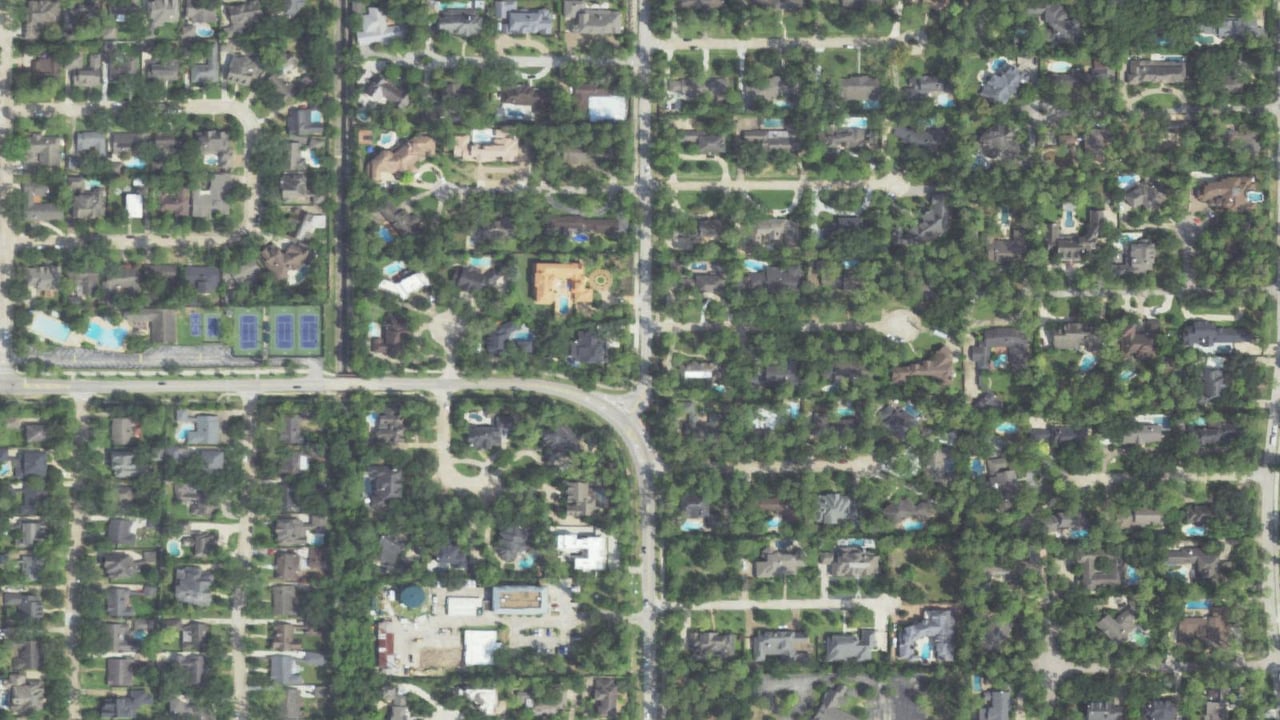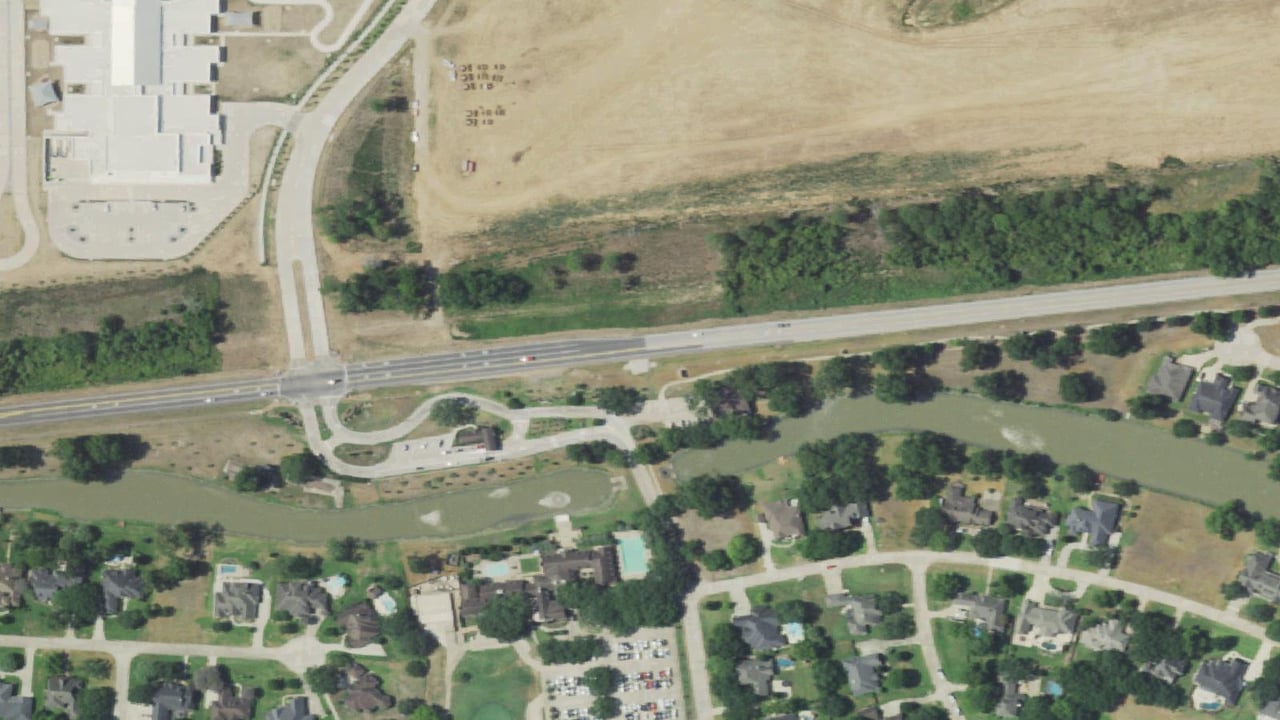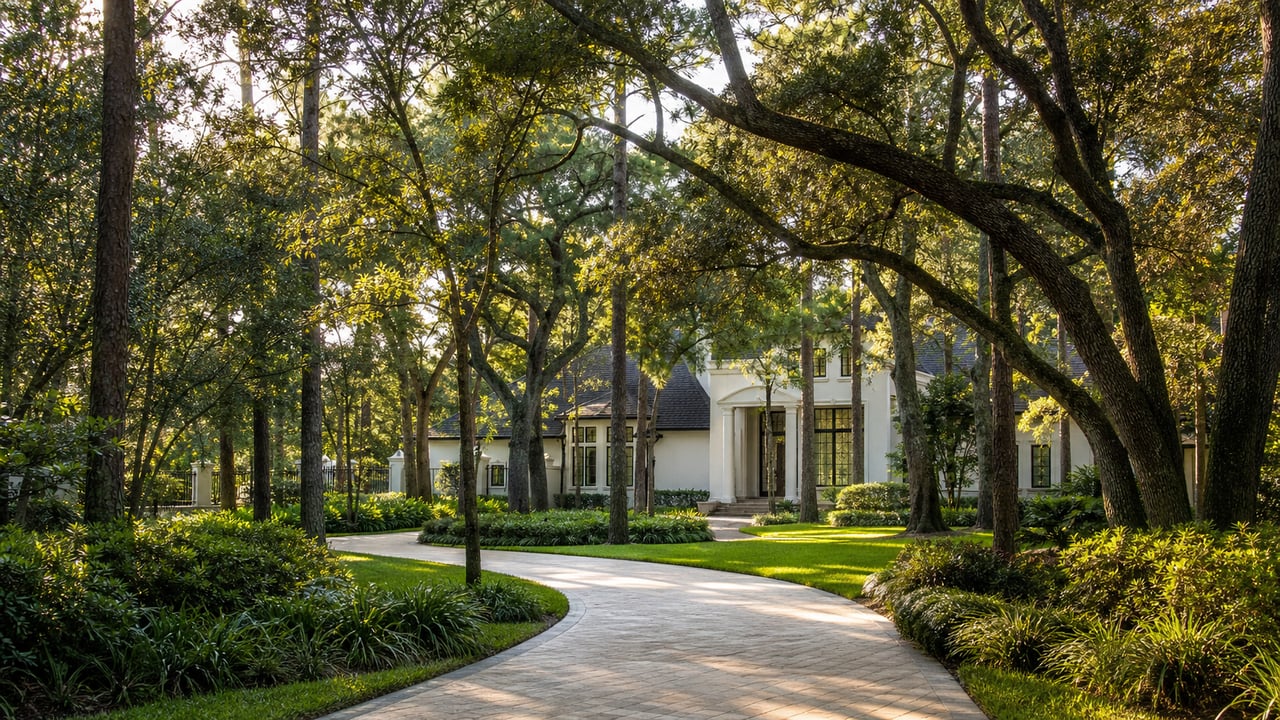
Selling a home in the Memorial Villages means pricing two assets at once: the house and the land under it. The six villages — Bunker Hill Village, Piney Point Village, Hunters Creek Village, Hedwig Village, Hilshire Village, and Spring Valley Village — are independent incorporated cities, each with its own government and permitting office, and the market here regularly draws buyers who intend to move in, buyers who intend to renovate, and buyers who intend to build new. Getting full value means understanding which of those buyers your specific property serves best, then pricing and marketing to all of them.
The Six Villages Are Six Separate Cities — and That Matters When You Sell
Owners sometimes talk about "the Villages" as one place, and for market purposes that's fair. Legally, it isn't. Bunker Hill Village, Piney Point Village, Hunters Creek Village, Hedwig Village, Hilshire Village, and Spring Valley Village are each independently incorporated Texas cities with their own city councils, ordinances, and building departments. Use the Memorial Villages neighborhood guide to compare the six jurisdictions and the address-level questions buyers and sellers should verify.
Two shared services are worth knowing as a matter of fact: the Memorial Villages Police Department was established by Bunker Hill, Piney Point, and Hunters Creek as a joint municipal department, and the Village Fire Department serves all six villages. School assignment requires address-specific verification. The villages include Spring Branch ISD addresses, while Piney Point Village includes addresses associated with both Spring Branch ISD and Houston ISD.
Why the city-by-city distinction matters before you list
If you're doing pre-sale work — replacing a fence, pouring flatwork, updating a driveway, adding a generator — the permit comes from your village, not from the City of Houston and not from a generic "Villages" office. Piney Point Village, for example, runs its own Building and Permitting Department with plan submissions by appointment and its own inspection schedule, and it publishes separate permit packets for additions, driveways, and new construction. The other villages operate their own equivalents under their own codes.
Practical implications for sellers:
- Confirm permits closed out. Open or expired permits surface in due diligence on high-value sales. Call your village's building department before you list, not after you're under contract.
- Budget lead time. Small building departments with appointment-based plan review don't move on a Houston-scale timeline. If pre-sale work needs a permit, start early.
- Know your own city's rules, not your neighbor's. A project that's routine in Hedwig Village may be handled differently three streets away in Hunters Creek. Don't assume.
Use Current Market Evidence, Not a Stale Snapshot
Memorial Villages pricing data changes as new listings and closings alter a relatively small, high-value market. Before making a pricing or preparation decision, request current single-family data for the relevant villages, property type, condition, lot profile, and time period. Record the source and retrieval date rather than carrying an old monthly or year-to-date figure forward.
Area medians blend six cities and a wide mix of move-in homes, renovation opportunities, lot-value purchases, and new custom construction. They are useful context, not a verdict on one property. You can review current activity on the Memorial Villages market data page, then test the broad picture against address-level comparable sales and current competition.
Lot Value vs. Improvement Value: Pricing When Land Carries the Weight
The defining pricing question in the villages is how much of your property's value sits in the land. In a market with long-running teardown and new-custom-construction activity, some properties sell almost entirely on lot value, some sell on the strength of the improvements, and many sit in between — which is where mispricing happens.
A useful starting point every owner already has: your Harris Central Appraisal District (HCAD) notice splits your appraised value between land and improvements. HCAD's allocation is not a market valuation and shouldn't be treated as one, but it tells you how the taxing authority sees the ratio — and if your improvement allocation is a thin slice of the total, that's a signal about who your likely buyer is.
The three ways buyers approach a Villages property
Buyers in this market generally come with one of three intentions for the property itself:
- Move in largely as-is. These buyers pay for condition, updates, and finish-out. Recent mechanicals, documented maintenance, and quality renovation carry real weight.
- Renovate and occupy. These buyers pay for bones, layout potential, and lot — and they discount for the renovation they're about to fund.
- Build new. These buyers are pricing the lot: dimensions, trees, drainage, orientation, utility placement, and what the village's ordinances allow them to build. The existing house may be worth little to them — or may be a demolition cost.
The same property can attract all three, and they will not value it the same way. Price purely off the neighbor's new-construction comp and you'll sit; price purely off lot value and you may leave the renovator's premium on the table. As part of my firm's broader real estate services, I evaluate lot dimensions, tree cover, and buildability the way a builder's acquisition team does — and that lens matters most on exactly these in-between properties.
Thinking about what your property would command from each type of buyer? That's the core of a proper valuation here. Request your Memorial Villages market analysis and I'll break down your land-versus-improvement position specifically.
Marketing to Every Buyer Your Property Can Serve
Once you know which buyer intentions your property realistically serves, the marketing should speak to all of them rather than defaulting to one:
- Lead with the lot when the lot is the story. Accurate lot dimensions, a survey, tree locations, and utility information belong in the listing package for a property whose land drives value. Builders and their agents make faster, stronger offers when that diligence is already done.
- Document the improvements when the house is the story. Permit history, renovation invoices, roof and mechanical ages, and energy upgrades justify condition-based pricing to move-in buyers — and give appraisers something to work with at these price points.
- Don't strip the middle ground. For the in-between property, photograph and describe both: the livable house and the site. Listing copy that dismisses a sound home as a "teardown" invites lot-value offers only; copy that ignores an exceptional lot undersells it.
- Get the village facts right. Which city the property sits in, which building department governs it, and the school district and attendance zone for the exact address are all facts serious buyers and their agents will confirm. Piney Point Village includes addresses associated with both Spring Branch ISD and Houston ISD, so verify directly with the applicable district. Listings that state these facts accurately read as credible.
Timing and Discretion for a High-Value Sale
Current days-on-market data can help frame a launch, but at this price point the more important timing questions are property-specific and personal: the home's condition, likely buyer, competing inventory, where you're going next, tax-year considerations to review with your CPA, and how much public exposure you want.
Discretion is a legitimate consideration for many Villages owners. Options range from fully public MLS marketing — which generally produces the deepest buyer pool and the strongest price discovery — to quieter approaches: delayed photography of interiors, showings by vetted appointment only, or private marketing to a targeted list of qualified buyers and builders before or instead of a public launch. Each trades some exposure for some privacy, and the right mix depends on your property and your circumstances rather than a formula. What matters is choosing deliberately, with the trade-offs on the table.
Whichever route fits, the sequence is the same disciplined process I use for every listing — pricing, preparation, launch strategy, negotiation, and closing management are laid out in my six-step selling plan.
Plan Condition and Documentation Before Launch
For some properties, a pre-listing inspection in Memorial Villages can help organize repair, specialist, documentation, pricing, or disclosure questions. It is not necessary for every sale, so choose it only when the result will support a specific decision.
Start With the Number
Every decision above — pre-sale work, pricing strategy, marketing angle, timing, discretion — flows from one input: what your specific property, on its specific lot, in its specific village, is worth right now to each type of buyer it can attract. An area median won't tell you that, and neither will an automated estimate that can't see your trees, your survey, or your renovation history.
Request Your Memorial Villages Market Analysis — I'll prepare a property-specific valuation covering your land-versus-improvement position, the buyer intentions your property serves, and a recommended pricing and marketing strategy. No obligation, and the conversation stays private.
Frequently Asked Questions
Which cities make up the Memorial Villages? Six independently incorporated Texas cities: Bunker Hill Village, Piney Point Village, Hunters Creek Village, Hedwig Village, Hilshire Village, and Spring Valley Village. Each has its own city government, ordinances, and building department, though they share certain services — the Village Fire Department serves all six, and the Memorial Villages Police Department is jointly operated by Bunker Hill, Piney Point, and Hunters Creek.
Do I need a permit from my village before doing pre-sale repairs or updates? It depends on the project and on your specific village's code — each of the six cities runs its own permitting. Piney Point Village, for example, requires permits for projects including driveways, flatwork, fences, and additions through its own Building and Permitting Department. Call your village's building office before starting work, and confirm any past permits on the property are closed out.
How do I find out how much of my home's value is land versus improvements? Your Harris Central Appraisal District (HCAD) appraisal notice shows the district's allocation between land and improvement value. It's a tax appraisal, not a market valuation, but it's a useful starting signal. A market analysis then tests that ratio against what lot-driven buyers and condition-driven buyers are actually paying in your village.
What are Memorial Villages homes selling for right now? The answer changes with the reporting period and the mix of move-in homes, renovation opportunities, lot-value purchases, and new construction. Request current data with a source and retrieval date, then compare the exact village, lot, condition, improvements, and current competition. An area median is context, not a property valuation.
Can I sell a Memorial Villages home without putting it on the open market? Yes — options include private marketing to targeted qualified buyers and builders, appointment-only showings, or a quiet pre-launch period before public MLS exposure. The trade-off is generally between privacy and the price discovery a full public market provides, so the right approach depends on your property and priorities.
What school district serves the Memorial Villages? Verify the exact address. The villages include Spring Branch ISD addresses, while Piney Point Village includes addresses associated with both Spring Branch ISD and Houston ISD. Confirm the current district and attendance zone directly with the applicable district because boundaries can change.