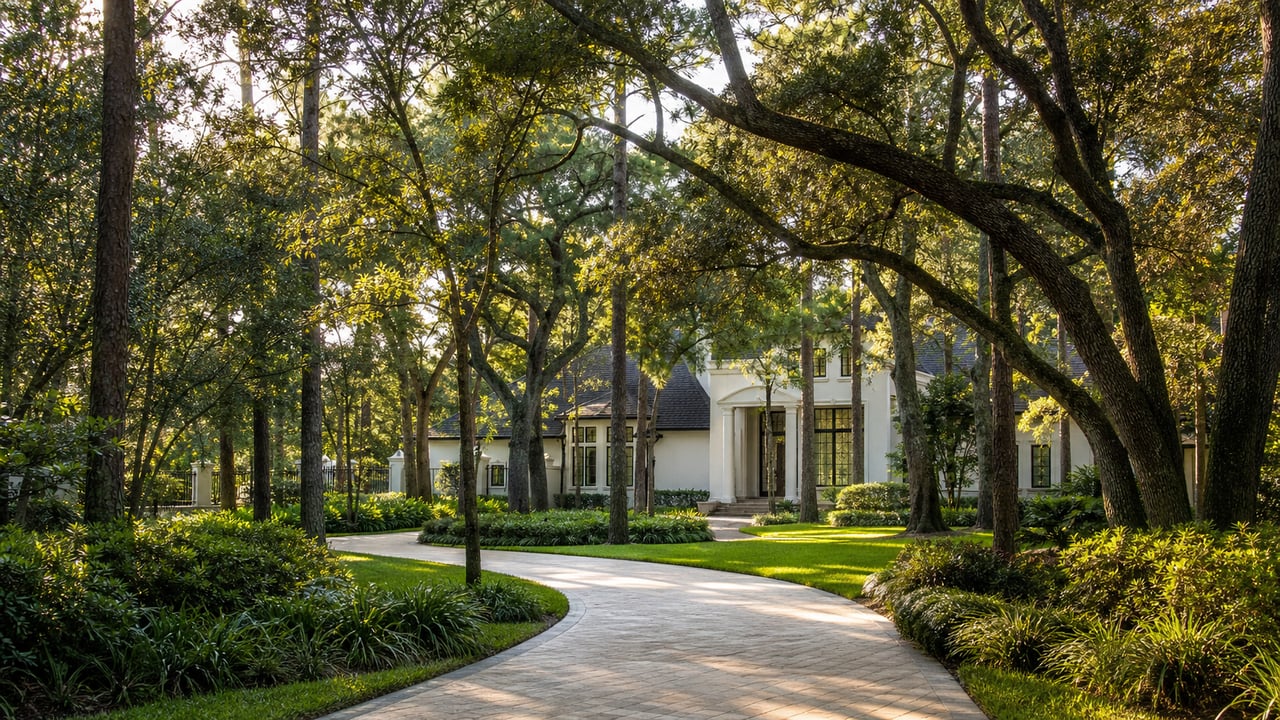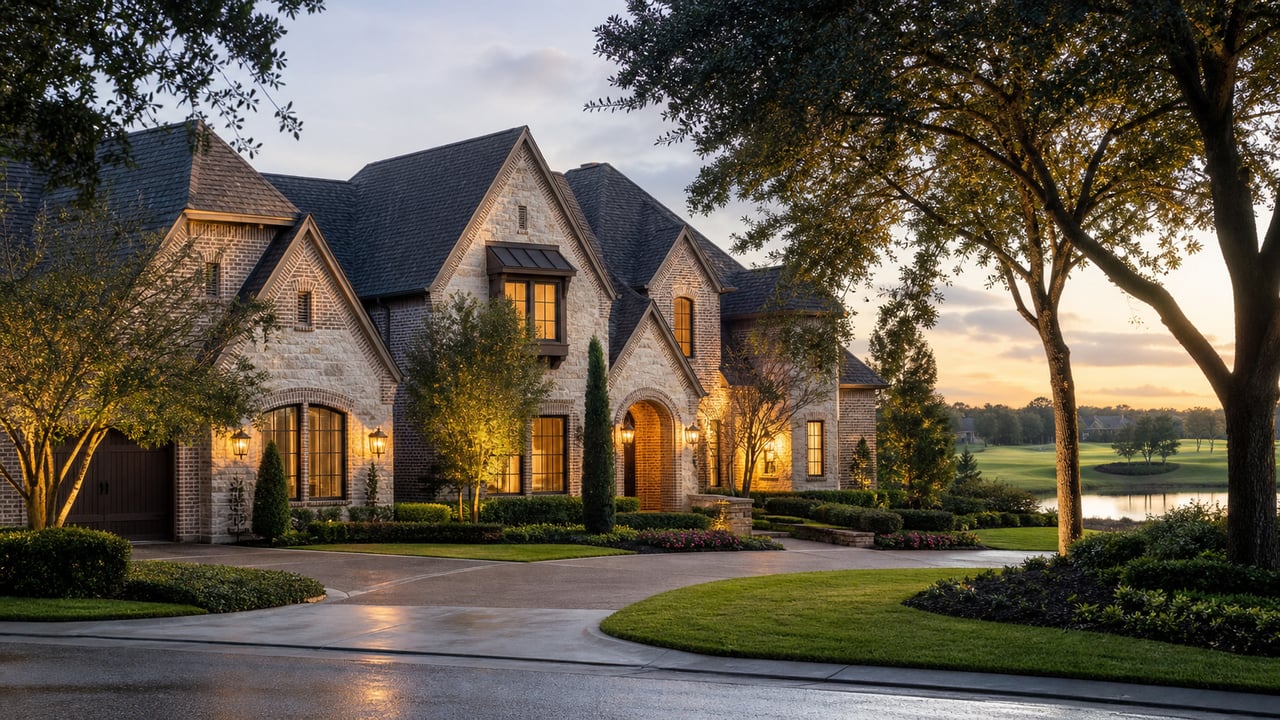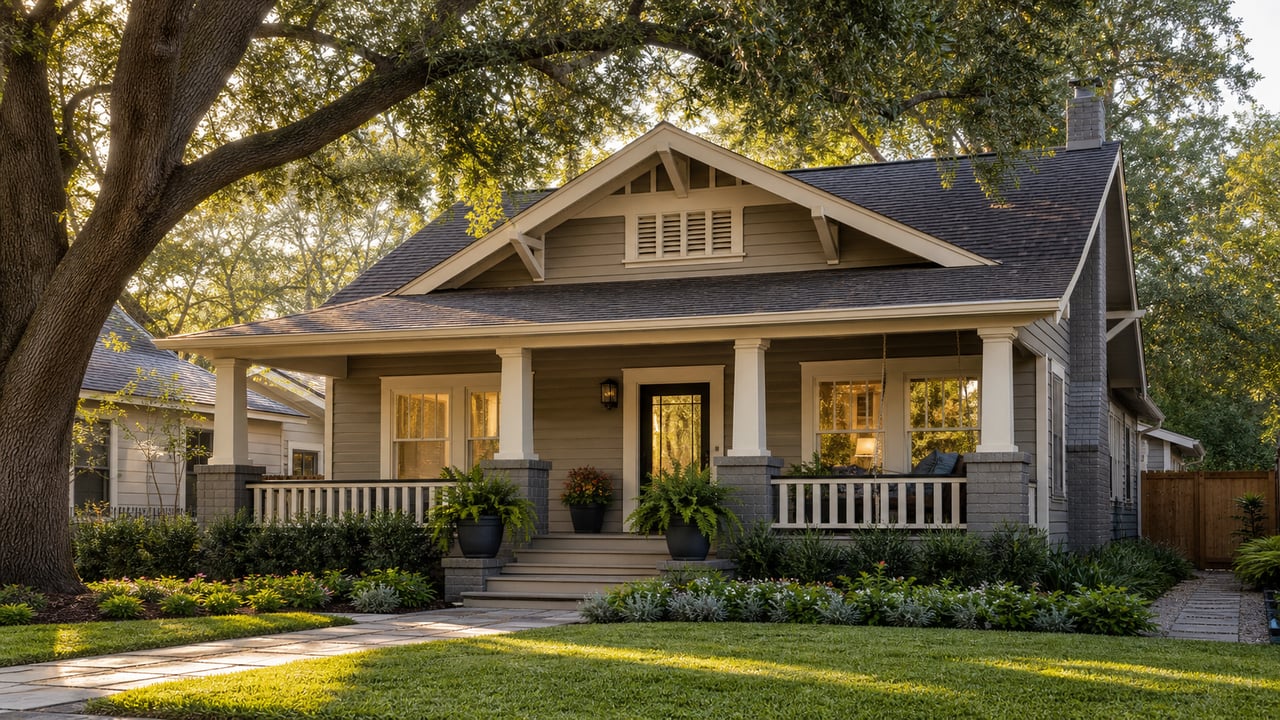
Selling a home in Houston Heights starts with understanding what makes your specific property valuable: lot size, condition, architectural character, and whether you sit inside one of the neighborhood's three City of Houston historic districts. In ZIP 77008 (Houston Heights), year-to-date single-family homes have posted a median price per square foot of $313, with a cumulative days on market of 32, per HAR.com. But the Heights is a neighborhood of exceptions — an original-condition bungalow and a new build two doors down can sell for very different numbers — so accurate pricing depends on a property-specific analysis, not a ZIP-code average.
What Heights Homes Are Selling For Right Now
Here is the most recent verified data for ZIP 77008 (Houston Heights), single-family homes only, year-to-date per HAR.com:
- Median price per square foot: $313 (YTD single-family)
- Cumulative days on market: 32 (YTD single-family)
The 32-day cumulative reflects the full range — some well-priced homes move in 10–15 days, while others sit longer if they're overpriced or need updates. The median price per square foot, applied to your home's actual square footage, gives you a real-market baseline: a 1,500-square-foot Heights home at the median would price around $469,500; a 2,200-square-foot new build might justify a higher per-square-foot premium based on finishes and lot position. But here's the catch: a character home with original details, a full lot, and good location often sells above the median; an original-condition cottage with deferred maintenance sells below it.
ZIP-level data is a starting point, not a valuation. You can track the current numbers yourself with my live market snapshot tool, and when you want a price opinion built on your actual house, that's what a market analysis is for.
What Drives Price Variance in the Heights
Lot size and the standard 6,600-square-foot lot
Most lots in the Houston Heights historic districts are 50 feet wide by 132 feet deep — 6,600 square feet — a dimension documented in the City of Houston's Historic Preservation Design Guidelines for the Heights districts. That standard lot is the neighborhood's baseline unit of value. Full lots command a premium over the smaller 33-foot-wide lots that were platted along Ashland, Rutland, and Tulane Streets in the western section, and oversized or corner lots — historically reserved for churches, schools, and prominent homes near Heights Boulevard — carry premiums of their own.
When you're pricing, the land under your house matters as much as the house. Two comparable bungalows on a full lot versus a partial lot are not actually comparable.
Original condition vs. renovated vs. new construction
The Heights supports three distinct price tiers, and buyers shop them differently:
- Original or lightly updated character homes attract buyers who specifically want a project or a preserved period house. These sell on lot value, structural soundness, and intact original detail — shiplap, longleaf pine floors, original windows and millwork.
- Renovated character homes — a 1920s bungalow with a rebuilt kitchen, updated systems, and often a rear addition — are the neighborhood's most competitive segment. Buyers here pay for the combination: period exterior and streetscape presence with modern function behind the front door.
- New construction and recent builds trade closer to a price-per-square-foot model, with finishes, builder reputation, and lot position doing the differentiating work.
Knowing which tier your home occupies — and which buyer pool you're actually marketing to — is the first pricing decision, and it comes before any comp analysis.
Location within the neighborhood
Walkability is a priced feature in the Heights. Homes within an easy walk of the shops, galleries, and restaurants along historic West 19th Street, or with quick access to the MKT/Heights Hike and Bike Trail — the 2.2-mile rails-to-trails concrete path that follows the old Missouri-Kansas-Texas rail right-of-way through the neighborhood — consistently draw buyers who are paying for that lifestyle, not just the house. Proximity to Heights Boulevard's landscaped esplanade, the neighborhood's original showpiece street, works the same way.
Wondering where your home lands in all this? Every Heights pricing conversation I have starts with the specific house: your lot, your block, your condition tier, your buyer pool. Find Out What Your Heights Home Is Worth — I'll prepare a market analysis for your property, no obligation.
Selling Inside a Historic District: What It Actually Means
The three Heights historic districts
The City of Houston has designated three historic districts covering much of the neighborhood, per the City's Historic Preservation Manual:
- Houston Heights West (designated 2007): bounded by West 16th Street to the north, Yale Street to the east, West 11th Street to the south, and Ashland Street to the west
- Houston Heights East (designated 2008): bounded by Heights Boulevard to the west, Oxford Street to the east, West 20th Street to the north, and West 11th Street to the south
- Houston Heights South (designated 2011): bounded by Heights Boulevard to the west, Oxford Street to the east, West 11th Street to the north, and West 4th Street to the south
If your home falls inside one of these boundaries, its historic-district status is a fact of the sale — one that affects marketing, buyer expectations, and disclosure of what future owners can and cannot easily change.
The Certificate of Appropriateness, in plain terms
Within a designated district, a Certificate of Appropriateness (COA) from the City is required before exterior alterations, additions, new construction on vacant lots, or relocation and demolition of structures. Interior work does not require a COA, and neither does ordinary maintenance and repair — work that, in the City's words, "does not change the design, character, texture or material of any exterior feature." COA applications are reviewed by the Houston Archaeological & Historical Commission, which meets monthly, with applications due 22 days before a scheduled meeting.
For sellers, the practical takeaways are:
- Buyers will ask about it. Serious Heights buyers generally understand the COA process; out-of-area buyers may not. Being able to explain it accurately — and produce COAs for any exterior work you've done — builds confidence instead of raising doubt.
- Documented, approved work is a selling point. A renovation that went through HAHC review signals the work was done properly and the home's protected status was respected.
- The district protects your streetscape. Historic designation limits what can be torn down or dramatically altered around you, which is part of why buyers pay for these blocks: the character they're buying is likelier to still be there in twenty years.
Historic-district requirements are administered by the City of Houston Planning and Development Department, and rules can differ based on whether a structure is classified as contributing or noncontributing. Confirm the requirements for your specific property with the City before making commitments to a buyer.
Preparing a Character Home for Market
Heights housing stock dates back to the neighborhood's founding in 1891 as a planned streetcar community developed by the Omaha and South Texas Land Company, and many homes here are 80 to 120 years old. Buyers of older homes bring inspectors who know exactly what to look for, so it pays to get ahead of them:
- Consider a pre-listing inspection. For an older home, knowing about issues before a buyer's option period means you can repair, disclose, or price accordingly — on your timeline, not under contract pressure.
- Foundation comes first. Many early-20th-century Heights homes sit on pier-and-beam foundations, which are repairable and well understood locally, but buyers will want to see level floors or documentation of leveling work. Keep any foundation reports and warranties on hand.
- Know your systems. Homes of this era that haven't had full renovations may retain older plumbing supply or drain materials and earlier-generation wiring. If yours has been updated, document when and by whom — updated systems are a major differentiator against comparable character homes. If not, expect it in negotiations and plan for it in pricing.
- Gather your paper trail. COAs, permits, survey, warranties, and renovation records answer the questions Heights buyers reliably ask, and they support your list price.
None of this means renovating before you sell. It means choosing your tier deliberately: sell as a documented original with honest pricing, or invest selectively where the return is clear. That decision is central to my six-step selling plan, which walks through preparation, pricing, and marketing in order.
Pricing and Timing Your Heights Sale
With single-family homes in ZIP 77008 at 32 cumulative days on market year-to-date as of July 28, 2026, the market still rewards sellers who launch correctly the first time. The homes that linger are almost always priced to a different tier than the one they occupy — an original-condition home priced like a renovation, or a renovation priced like new construction. Your first two weekends on market are when buyer attention peaks; a price adjustment after that never recovers the same energy.
The right list price comes from tier-correct comps: same district status, same lot size class, same condition category, walked and verified rather than pulled from an algorithm. That's precisely what an automated estimate can't do in a neighborhood where a 6,600-square-foot lot line or a 2008 district boundary changes the math.
Find Out What Your Heights Home Is Worth
If you're thinking about selling — this year or eventually — start with a real number. I'll prepare a property-specific market analysis for your Heights home: your lot, your condition tier, your block's recent sales, and a pricing strategy matched to how this neighborhood actually trades.
Find Out What Your Heights Home Is Worth →
Leigh Martin | Martin Collum Real Estate | TX License #592064
Frequently Asked Questions
Do I need City approval to sell my house in a Heights historic district? No. Selling requires no City approval. The Certificate of Appropriateness process applies to exterior alterations, additions, new construction, relocation, and demolition — not to the transfer of ownership. Your buyer inherits the same rules you've owned under.
Does historic-district status help or hurt my sale price? It shapes the buyer pool more than it caps the price. Districts protect the streetscape character that draws buyers to these blocks in the first place, and documented, COA-approved renovations are a credibility asset. Buyers planning major exterior changes will factor the review process into their plans, which is why accurate information up front matters.
What's the median home price in Houston Heights right now? For ZIP 77008 (Houston Heights), year-to-date single-family homes are selling at a median of $313 per square foot. Applied to your home's square footage, that gives you a baseline — but original character homes, lot position, and condition can justify a premium above or below the median. For a specific home, a property-level analysis matters more than a ZIP average.
Should I renovate my bungalow before selling? Not automatically. Original-condition homes have their own buyer pool, and major pre-sale renovations rarely return their full cost on a compressed timeline. Selective work — repairs a buyer's inspector will flag anyway, plus presentation — usually outperforms a big remodel. A market analysis will show what your home is worth as-is versus improved.
How fast do Heights homes sell? Year-to-date, single-family homes in ZIP 77008 have averaged 32 cumulative days on market per HAR.com. Speed depends heavily on tier-correct pricing: well-priced homes move within the first two weekends, while mispriced homes sit even in a tight market.
How do I find out if my home is inside a historic district? The three districts — Houston Heights West, East, and South — have defined boundaries published by the City of Houston Planning and Development Department (roughly between West 4th and West 20th Streets, from Ashland east to Oxford, depending on the district). Confirm your specific address with the City, since boundaries include partial blocks.