A real estate listing launch checklist for agents should answer one question at every step: What must be true before this property moves forward? Before a Texas listing goes live, verify the brokerage-authorized listing file, source facts, seller decisions and applicable disclosure steps, licensed responsibilities, property and media readiness, final approvals, release order, and the live buyer inquiry path. The process begins after the listing agreement has been signed by the necessary parties and accepted under the sponsoring broker's process. It ends only after the public listing, connected marketing assets, and response path have been checked in their live state.
That distinction matters. A property is not fully launched because someone clicked “publish.” It is launched when the approved information is accurate, the required elements are present, the public experience works, and the right person is ready to respond.
Define the Beginning and End of the Listing Launch
A useful checklist needs clear boundaries.
For this process, the starting point is a listing agreement signed by the necessary parties and accepted under the sponsoring broker's process. The listing presentation, pricing conversation, and decision to hire the brokerage come before it.
The endpoint is a verified live launch. At that point:
- The brokerage file is established.
- The approved property facts and seller instructions are documented.
- The required listing and advertising elements are present.
- Photography and other approved media are in their intended order.
- Public links and inquiry routes work.
- The listing agent knows who owns first-response and follow-up tasks.
- Any immediate correction has a named owner and deadline.
Offer handling, contract execution, and closing coordination are outside this checklist. Those belong in a separate transaction process after the listing produces an accepted contract.
Build One Authoritative Launch Record
Listing-launch errors often start when information is scattered across text messages, email threads, handwritten notes, vendor portals, and separate marketing drafts.
Create one authoritative launch record before work branches into those channels. It should identify:
- The property and brokerage file.
- The listing agent and supervising broker.
- The source for property facts.
- The seller's approved launch decisions.
- Access and showing instructions.
- Media appointments and deliverables.
- Marketing assets in production.
- Required approvals.
- The planned release sequence.
- The owner and backup for each task.
- The completion test for each stage.
The record does not need to be elaborate. It does need to show which information controls when two drafts conflict.
A task such as “photos ordered” is not a completion test. “Photography delivered, reviewed, approved, and placed in the intended order” is.
Gate 1: Confirm Brokerage Authority and File Readiness
Before vendors are scheduled or public-facing copy is built, confirm that the brokerage has accepted the listing and that the file is ready for the work to proceed.
The Texas Real Estate Commission's rules place responsibility on the sponsoring broker for authorized brokerage activity and require written policies and procedures addressing brokerage operations. TREC's broker-responsibility rule also provides that a sales agent performs brokerage activity for and on behalf of the sponsoring broker.
The launch record should therefore confirm:
- The correct brokerage and licensed parties.
- The property address and file identifiers used internally.
- The effective listing dates.
- The approved listing status and launch timing.
- Any brokerage-required forms or file checkpoints.
- The escalation route if a material item is incomplete.
This is also the point to verify the names that will appear in advertising. TREC Rules §§535.154 and 535.155 govern registered names and advertisements, including required identification and the prohibition on misleading advertising. A launch should not proceed with an unverified team name, agent name, brokerage name, or public attribution.
Gate 2: Lock the Source Facts and Seller Decisions
The launch record should distinguish objective property information from marketing language.
Verify each material fact against the best available source before it appears in a listing, property page, email, social post, or printed piece. Do not let an early draft become the source merely because it has been copied several times.
The fact set may include:
- Address and mapping location.
- Property type and physical characteristics.
- Included and excluded items.
- Access limitations.
- Occupancy considerations.
- Showing instructions.
- Features the seller has authorized the brokerage to promote.
- Any wording that requires broker or seller review.
Seller disclosures need their own checkpoint. Texas Property Code §5.008 addresses the written seller notice for covered residential property transfers and includes exceptions. When the statute applies, confirm that the appropriate disclosure process has been handled rather than assuming every property follows the same path. TREC currently posts Seller's Disclosure Notice form 55-1, effective May 28, 2026.
Collecting and reviewing applicable disclosure material before launch is a workflow control, not a claim that Texas law imposes a universal pre-marketing deadline. The checklist should record that the file requirement was confirmed. It should not turn a disclosure into promotional copy or let a coordinator make a legal determination outside that person's role.
Gate 3: Assign Decision Rights Before Tasks
Each checklist line should carry two fields: the person executing the task and the license holder approving any judgment behind it.
TREC Rules §§535.4 and 535.5 distinguish activities that require a license from activities that do not. TREC's current guidance on unlicensed assistants explains that an unlicensed assistant may perform directed data entry, office administration, and certain appointment-scheduling tasks. The assistant may not independently perform licensed brokerage activity, such as soliciting prospects, showing property, hosting an open house, or reviewing a contract with a client.
For a listing launch, the agent or broker owns pricing, positioning, seller advice, property representations, advertising claims, disclosure questions, material change approvals, and responses that constitute brokerage activity. An administrative or production coordinator may maintain the launch record, schedule approved vendors, organize delivered assets, enter approved information at a license holder's direction, route drafts, record approvals, and test links.
That assignment is specific enough to audit. “Marketing handles it” is not. The file should show who may prepare a field, who must approve it, and where the question goes when the source information is incomplete.
Gate 4: Confirm Property, Access, and Media Readiness
Do not schedule launch day around the hoped-for completion of an unresolved task.
Before media production, confirm:
- The property is ready for the planned photography or other media.
- The seller understands the appointment window and access plan.
- Pets, occupants, gates, alarms, and restricted areas have been addressed.
- The media provider has the correct address, scope, and contact.
- Any feature that should not be photographed or promoted has been identified.
- The delivery deadline supports the intended review and launch sequence.
- There is a backup plan for weather, access failure, or delayed delivery.
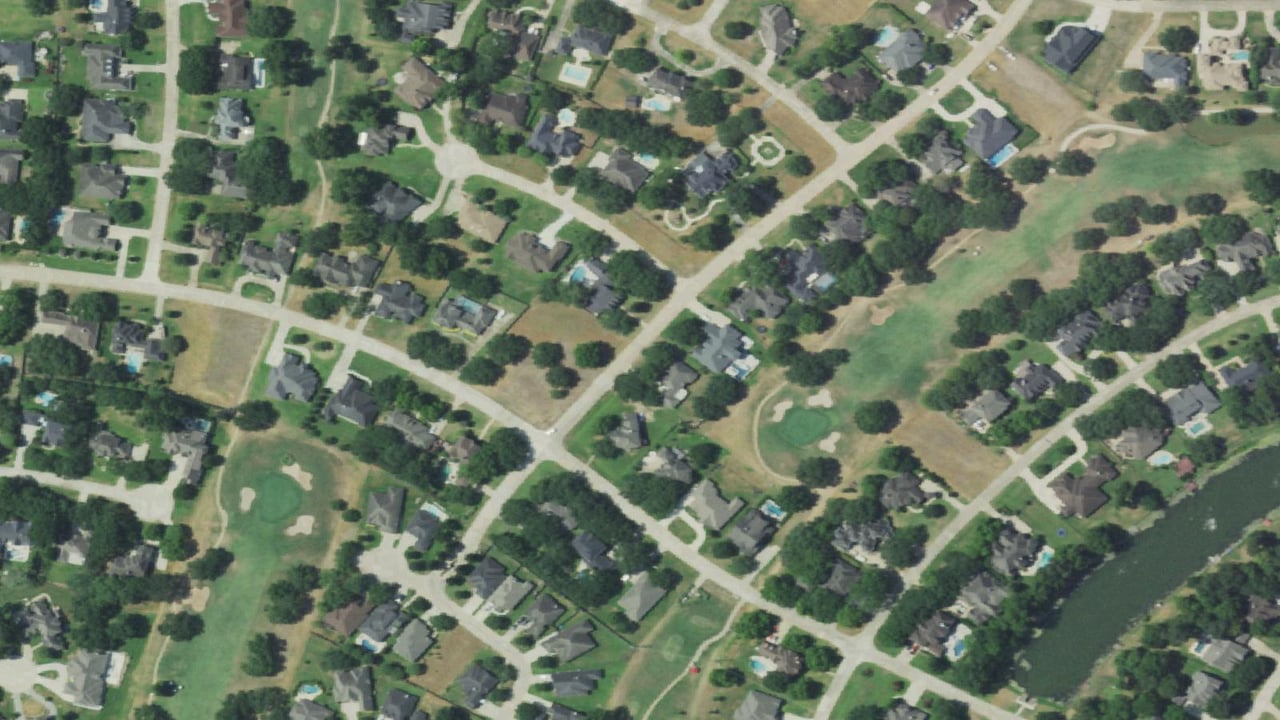
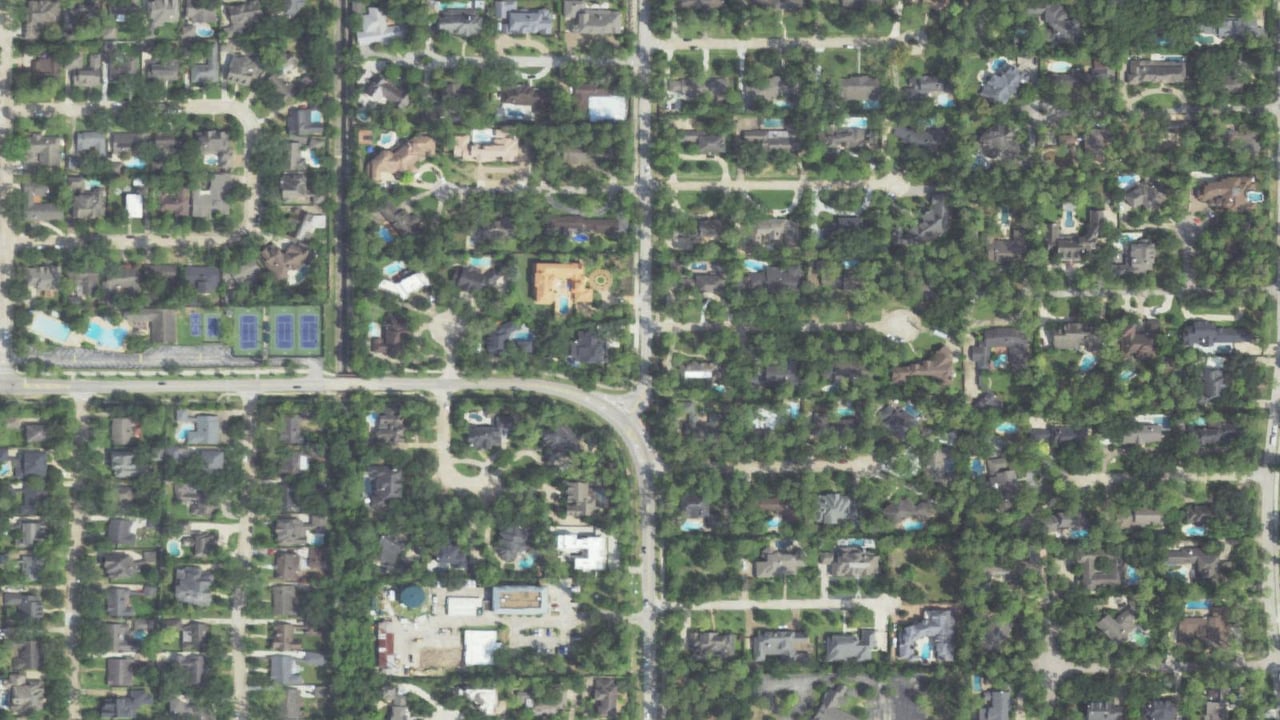
Greater Houston listings can present very different dependencies. A Houston Heights property may require historic-document context, a Weston Lakes home may require gated-access coordination, and a Memorial Villages property may need lot- or system-specific media planning. The checklist should record the actual property's dependencies instead of importing a template from another market.
When the media arrives, review it before building the final asset set. Check that it represents the property accurately, follows seller instructions, and supports a logical viewing sequence.
“Media delivered” and “media launch-ready” are different states.
Gate 5: Build Every Marketing Asset From the Approved Record
Once the facts and media are controlled, build the public materials from that same source.
Depending on the launch, those assets may include:
- The authoritative property listing.
- A property detail page.
- Photography, video, or floor-plan assets.
- Agent and brokerage website content.
- Email or database outreach.
- Social content.
- Printed materials.
- Showing or inquiry instructions.
The agent should approve factual claims and material positioning before release. The brokerage should also have a defined review path for advertising compliance.
Federal law is part of that review. 42 U.S.C. §3604(c) prohibits housing notices, statements, and advertisements that indicate a preference, limitation, or discrimination based on protected characteristics. Fair Housing review should cover remarks, headlines, imagery, audience language, and derivative promotional content—not only the primary listing entry.
If you are evaluating whether your current brokerage provides enough operational ownership around these steps, see how Martin Collum Real Estate supports agents and request a confidential conversation.
Gate 6: Approve the Exact Release Version
Approval should attach to an identifiable version, not to a moving draft.
Before release, record:
- The final property facts.
- The approved remarks and headlines.
- The selected media and order.
- The correct agent, team, and brokerage identification.
- The status, price, and timing authorized for launch.
- The exact links and inquiry destinations.
- The seller or broker approvals required by the brokerage's process.
- The final person authorized to release each asset.
If a material field changes after approval, route the revised version through the appropriate approval step again. A previous “looks good” should not silently cover a later edit.
Gate 7: Release in a Controlled Sequence
The release order should reduce conflicting information and dead links.
A practical sequence is:
- Confirm the authoritative listing entry is complete and approved.
- Prepare any dependent page or asset using the same approved facts.
- Release the authoritative listing at the authorized time.
- Verify the live record before sending traffic to it.
- Activate connected property pages, emails, social content, or other promotion.
- Test the public journey from the promotional asset to the intended inquiry route.
- Record the live URLs and the person responsible for immediate corrections.
Avoid publishing promotional content first and hoping the destination becomes available later. The first prospective buyer should not be the person who discovers that a link, form, phone number, or property status is wrong.
Perform Live QA, Not Just Preview QA
A preview can confirm formatting. It cannot confirm the complete public experience.
After launch, inspect the live output for:
- Address, price, and status.
- Core property facts.
- Remarks, headings, and visible formatting.
- Photo selection and order.
- Map placement.
- Agent, team, and brokerage attribution.
- Required links and forms.
- Mobile display.
- Inquiry routing.
- Connected promotional links.
- Any platform or syndication error visible to the public.
Submit a test only when it can be done without creating a misleading consumer inquiry. Otherwise, verify the destination, ownership, and notification path through the brokerage's approved process.
Every correction should have an owner, a severity level, and a recheck. “Reported to the platform” is not the same as “corrected and verified.”
Establish the First-Week Operating Rhythm
Launch is a checkpoint, not the end of listing support.
Before closing the launch checklist, assign:
- The owner of new inquiries.
- The showing and feedback process.
- The seller communication schedule.
- The route for factual corrections.
- The approval path for price, status, or marketing changes.
- The person monitoring broken links or public inconsistencies.
- The trigger for moving the file into offer and transaction workflows.
Once an offer becomes an executed contract, shift into a distinct process. Our guide to real estate transaction coordination for agents explains how the operational focus changes from market launch to deadline, document, and communication management.
Ask for Evidence That the Launch Process Exists
If you are comparing brokerages, ask for redacted evidence from a recent listing launch—not merely a list of available services.
Useful proof includes:
- A launch brief showing the controlling facts, access plan, asset list, and release time.
- A version log showing exactly which remarks, images, price, status, and attribution were approved.
- A time-stamped live-QA report showing what was tested, what failed, who corrected it, and who rechecked it.
- A vendor-failure plan showing the alternate path when media, access, or delivery misses the deadline.
- A launch-day responsibility sheet showing who monitors inquiries and seller communication.
- A clean handoff record showing when listing-launch work ends and offer or transaction work begins.
A service list describes capacity. These records show whether the listing-launch process remains accountable when a deadline moves or a public field is wrong.
Frequently Asked Questions
What should a real estate listing launch checklist include?
It should include brokerage authority, the controlling property facts, seller instructions and applicable disclosure checkpoints, licensed and administrative roles, access and media readiness, advertising review, approvals, release order, live QA, inquiry routing, correction ownership, and the first-week follow-up plan.
When should the listing-launch checklist begin?
Begin after the listing agreement has been signed by the necessary parties and accepted under the sponsoring broker's process. Pre-listing consultation and the seller's brokerage decision come before this workflow.
What can an unlicensed assistant do during a Texas listing launch?
An unlicensed assistant can perform permitted administrative work such as directed data entry, office tasks, asset organization, and certain appointment scheduling. The assistant should not independently solicit business, show property, host an open house, review contracts with clients, give brokerage advice, or perform other activity requiring a license. The brokerage's written policies should define the boundary.
Who should approve a listing before it goes live?
The listing agent should approve the property representations and positioning within the brokerage's process. Broker review, seller approval, or other checkpoints may also apply based on the brokerage's policies, the nature of the content, and the seller's instructions. The final checklist should identify the required approver for each asset.
What should an agent check immediately after a listing goes live?
Check the live address, price, status, property facts, remarks, photo order, map, attribution, links, forms, mobile display, and inquiry route. Then recheck any correction after it is made.
How is listing-launch support different from transaction coordination?
Listing-launch support covers the period from broker-authorized engagement through verified public release and the initial response plan. Transaction coordination begins after an executed contract and centers on documents, deadlines, communications, and the path to closing.
Make the Launch Verifiable
A dependable listing launch produces evidence: one approved fact set, a named release version, a live-QA record, and a documented response path. Those records let the agent concentrate on pricing, seller advice, and buyer response without reconstructing which draft is current or whether a correction was rechecked.
If you want to compare your current process with a brokerage model built around accountable agent support, request a confidential conversation with Martin Collum Real Estate.
This article provides workflow education, not legal advice. License holders should follow their sponsoring broker's written policies, applicable law, and current MLS and local requirements.