A Weston Lakes home inspection checklist should cover the main house first, then add written scopes for the systems and site features that apply to the exact property. Confirm whether the inspector will evaluate optional items such as a pool, irrigation, a private well, a private sewage system, or an outbuilding, because the Texas minimum standards do not make every optional system part of every inspection. Waterfront structures, subsurface drainage, environmental testing, and other specialized questions may require separate professionals. Schedule the work early enough to read the reports, investigate material findings, and make decisions before the dates in your executed contract.
The goal is not a generic pass-or-fail label. It is a property-specific decision file that shows what was inspected, what was outside scope, what needs a specialist, and what must be resolved before the buyer's contractual decision points.
Define the inspection scope before the appointment
Texas Real Estate Commission rules describe a real estate inspection as a limited visual survey and basic performance evaluation of accessible systems and components using normal controls. The inspection reports the home's general condition at the time of the inspection; it is not a comprehensive investigation into every concealed condition or the cause and effect of every deficiency.
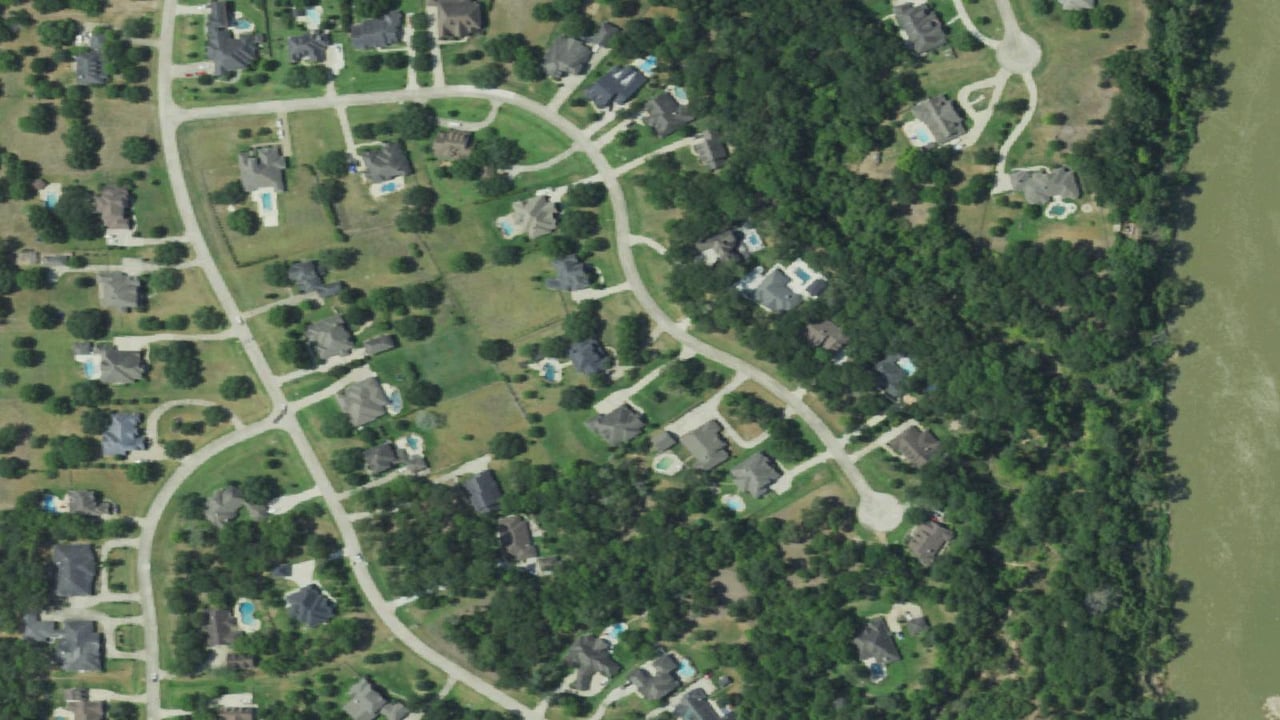
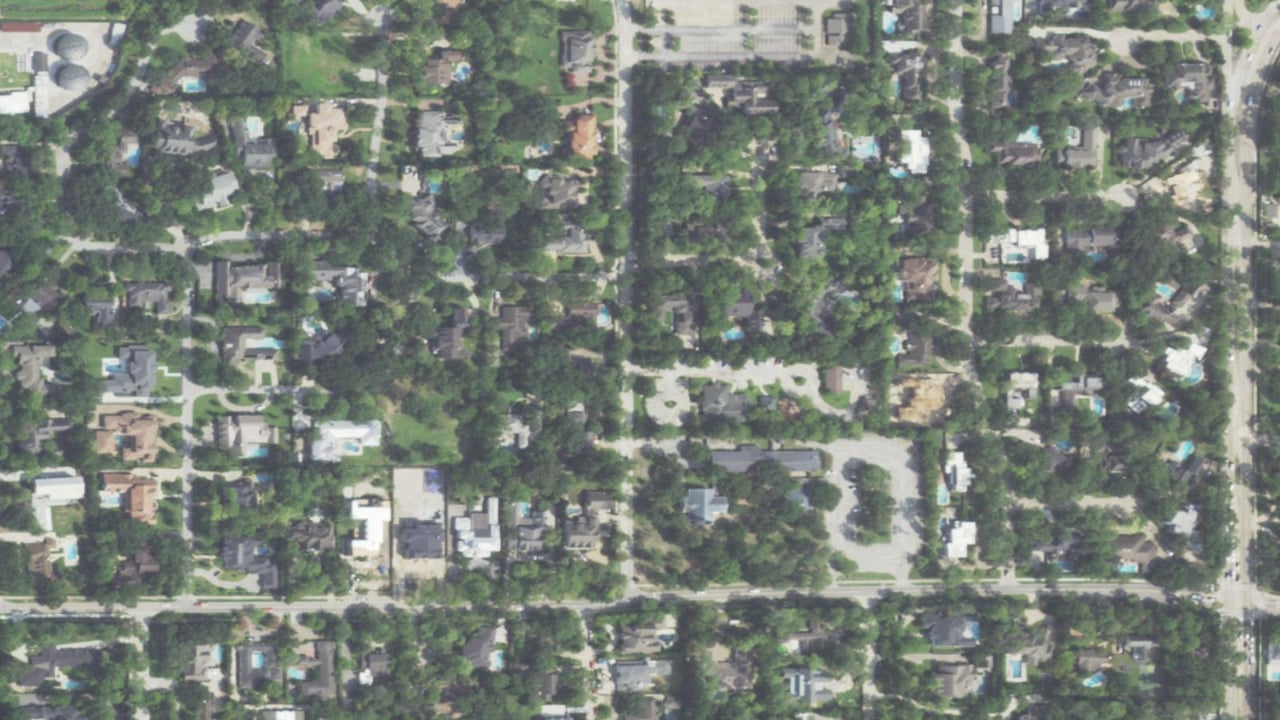
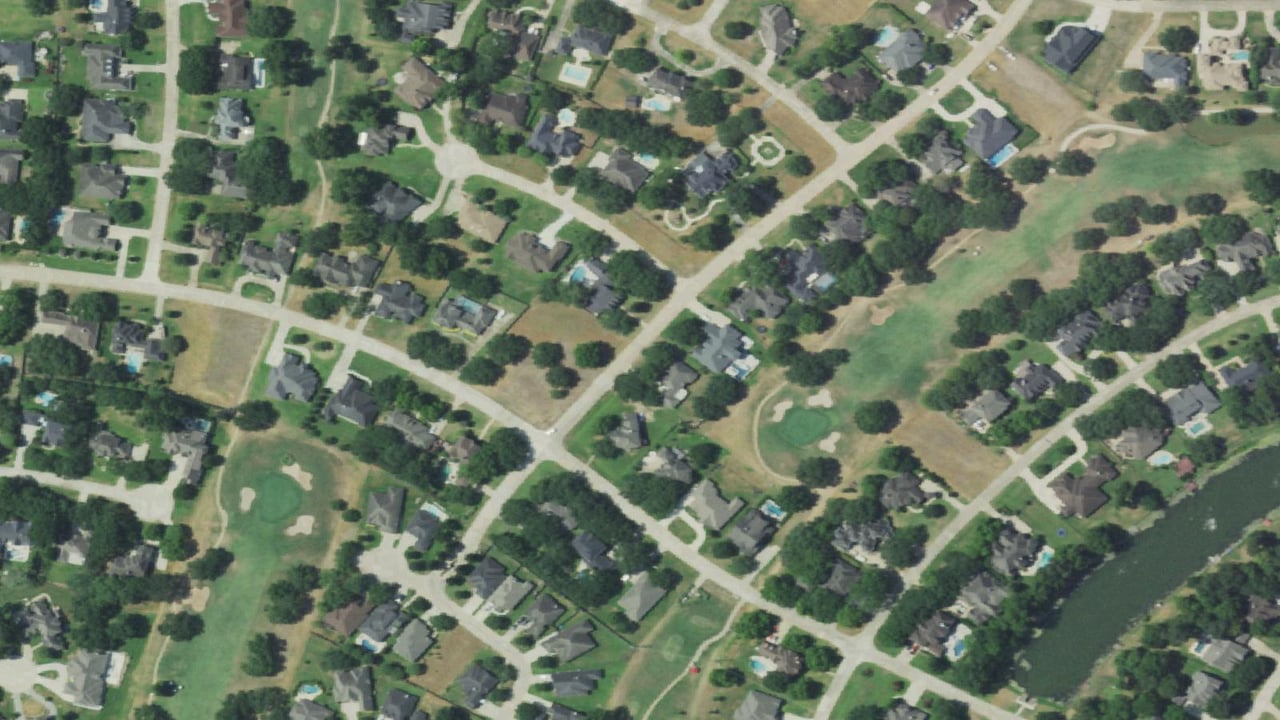
That distinction matters in Weston Lakes because the City describes a range of lot configurations and improvements across the community. A patio-home setting, a larger tract, a property near a waterway, and a home with a pool or additional structure do not present the same inspection questions. Start with the listing, seller disclosures, available property records, and your intended use of the property, then ask the inspector to confirm the exact scope in writing.
At minimum, clarify three things before the appointment:
- Which TREC-required systems will be inspected in the main residence?
- Which optional systems or accessory features will the inspector include?
- Which concerns need a different licensed or qualified specialist?
The current TREC Property Inspection Report is Form REI 7-6. A buyer can use that form and the inspector's written agreement to understand the baseline, but the property's actual features should drive any added scope.
Use a property-feature decision matrix
The inspection plan becomes clearer when each feature has an owner, a scope, and a next decision. Use this matrix as a planning tool rather than assuming one appointment answers every question.
Property feature or question | What the general inspection may address | Follow-up to decide before the deadline |
|---|---|---|
Foundation, roof, attic, electrical, HVAC, plumbing, and built-in appliances | Accessible components and observed deficiencies within the TREC standards | Specialist review when the report identifies a material concern or an inaccessible condition remains important |
Grading and visible drainage around the house | Visible performance around the foundation, grade levels, and installed gutters or downspouts | Drainage or engineering review for area hydrology, underground water, or system capacity; the general inspector is not required to determine those issues |
Pool, spa, irrigation, well, or private sewage system | Only if the inspector agrees to inspect the optional system; rule-defined limits still apply | Confirm the agreed scope, testing, access, records, and whether a pool, well, septic, irrigation, water-quality, or other specialist is appropriate |
Detached building, dock, fence, waterfront structure, or related equipment | These items are outside the required general scope unless separately agreed | Obtain a written added scope or engage the appropriate structural, marine, electrical, or other specialist |
Addition, outbuilding, or material improvement | Present visible condition when included in scope | Compare the improvement with available City permit and POA approval records; permits and approvals do not substitute for a condition inspection |
Prior repair, warranty, or service history | Visible current conditions; the inspector is not required to validate every past repair | Request invoices, warranties, permits, engineering documents, and transferable service records, then reconcile them with the report |
This format also makes gaps visible. If a line has no person responsible for it, decide whether to add scope, hire a specialist, obtain records, or accept the uncertainty under the contract with advice from the appropriate professional.
Compare Weston Lakes Homes Before You Tour
Inspection planning starts before the option period. Compare the features that will change your due-diligence scope while you evaluate available properties.
Compare Weston Lakes Homes Before You Tour
Match follow-up inspections to the exact property
Pools, irrigation, wells, and private sewage systems are optional scopes
TREC Rule §535.233 identifies landscape irrigation, pools and spas, outbuildings, private water wells, and private sewage disposal systems as optional systems. An inspector is not required to inspect those systems unless the inspector agrees to do so. Even when included, the rules contain limits: for example, an inspector is not required to uncover concealed pool lines, determine whether a well supply is reliable, or excavate a private sewage system.
Do not infer the utility setup from a Weston Lakes mailing address. The City's current About Us page describes more than one water and wastewater service arrangement within the city, and its FAQ directs questions about wells and septic systems for applicable properties to Fort Bend County offices. Confirm the service provider and onsite systems for the exact address, then decide what records and testing are appropriate.
For a pool, ask whether the inspection scope includes surfaces, barriers, bonding, ground-fault protection, accessible equipment, leaks, controls, and the heater. For irrigation, ask what will be operated and which underground or coverage questions remain outside scope. For a well or private sewage system, clarify access, testing, pumping or service records, and the professional who can evaluate questions beyond the TREC minimum.
Waterfront and drainage questions need separate treatment
TREC's general limitations say an inspector is not required to inspect docks, waterfront structures, related equipment, or subsurface drainage systems. The standards also do not require the inspector to determine area hydrology or the efficiency of underground or surface drainage systems.
That does not make these questions unimportant. It means the buyer should assign them deliberately. If the lot adjoins a water feature or the property raises drainage questions, identify the relevant structure, system, records, and specialist rather than expecting a general inspection sentence to answer an engineering or flood-risk question.
For the address-specific map, elevation, permit, drainage, and insurance workflow, use the companion guide: How to Check Flood Risk Before Buying in Weston Lakes. Keep that investigation separate from the physical-condition report so neither becomes a substitute for the other.
Improvements should be checked against the document trail
The City of Weston Lakes says a Development Permit/Flood Plain Permit is required for structures and buildings within the city. It also says that work inside the gated community requires separate Architectural Control Committee authority to proceed. For a property with an addition, detached structure, or other material improvement, request the records that apply and compare their description with what is present.
A permit or approval answers a different question from an inspection. It may help document a process, but it does not prove present condition, workmanship, insurance treatment, or suitability for the buyer's intended use. If a future project matters to the purchase, review the companion Weston Lakes survey and easement guide before treating an apparent open area as buildable space.
Turn the report into a timed decision file
The useful work begins when the inspection report arrives. Sort each material item into one of four buckets:
- Understood: the condition and likely response are clear enough for the buyer's decision.
- Needs records: invoices, permits, warranties, service history, disclosures, or prior engineering documents may answer the open question.
- Needs a specialist: the cause, severity, repair approach, insurability, or cost cannot be responsibly determined from the general report.
- Needs a contract decision: the buyer must decide, with the buyer's agent and appropriate advisers, whether to proceed, negotiate, use a contractual right, or accept the condition.
Track the responsible person and due date beside every open item. A referral without an appointment is not a completed investigation, and a repair estimate obtained after the relevant contract date may not help the buyer exercise the intended right.
The TREC standards do not require an inspector to provide repair-cost estimates. When cost matters, seek a qualified contractor or specialist who understands the reported condition and the proposed scope. When the issue involves contract interpretation, title, insurance, lending, engineering, or legal rights, use the corresponding professional rather than asking the general inspector to make that decision.
Do not confuse builder or municipal checks with the buyer's inspection
For new construction, TREC's rules expressly distinguish a builder's quality-control, code, warranty, or municipal inspection from an inspection performed for the buyer. The required notice for certain builder-directed reports says that report is not intended as a substitute for an inspection by an inspector of the buyer's choice.
The same separation is useful for resale property. City or POA documentation, a seller's prior report, a contractor invoice, and a general inspection each answer different questions. Build one file, but keep the roles distinct.
Weston Lakes buyer inspection questions
What does a standard Texas home inspection cover?
Under the TREC standards, the inspector evaluates accessible systems and components required by the rules, using normal controls, and reports observed deficiencies on the prescribed report form. The work is a limited visual survey and basic performance evaluation, not a guarantee or an investigation of every concealed condition.
Does the general inspection automatically include the pool, irrigation, well, or septic system?
No. TREC places those items in the optional-systems section. Confirm in writing which optional systems the inspector agrees to inspect, the limits of that work, and whether separate testing or a specialist is appropriate.
Will a general inspector examine a dock or waterfront structure?
Not as a required part of the minimum general scope. TREC's limitations list docks, waterfront structures, and related equipment among items an inspector is not required to inspect. Arrange an added written scope or a qualified specialist when those features matter to the purchase.
Should I order a structural, sewer, pool, or drainage inspection?
There is no universal add-on list. Base the decision on the property's systems and site, the seller's disclosures, the general inspection, available records, access limitations, and the consequence of leaving the question unanswered. Ask the relevant professional to define the scope before the contract deadline.
Does a permit mean an improvement is in good condition?
No. A permit or POA approval can document part of the authorization process, while an inspection addresses present visible condition within its scope. Compare records, physical observations, and specialist findings rather than treating one as a substitute for the others.
When should a Weston Lakes buyer schedule inspections?
As early as practical after the contract becomes effective, using the exact dates in the executed contract. Leave enough time to receive the general report, arrange justified specialist follow-ups, obtain material records or estimates, and make an informed contract decision.
Compare the property and its inspection scope together
Two homes with similar prices can require different due diligence because their sites, systems, improvements, records, and access differ. Compare those inspection implications while selecting properties—not only after a contract is signed. That preparation helps the buyer reserve the right professionals and use the contractual decision window for investigation instead of logistics.
Compare Weston Lakes Homes Before You Tour
This article provides general real estate information, not inspection, engineering, environmental, insurance, legal, or contract advice. Inspection scope and contractual rights depend on the property, the professionals engaged, and the executed documents.